All Categories
Featured


Strategies for Lowering Premiums With Chronic Illnesses
Table of Contents
A cancer medical diagnosis modifications everything including your financial priorities. Among the first concerns numerous patients and families ask is: The truthful answer is: it depends, however you nearly definitely have more alternatives than you believe. This guide covers whatever you need to learn about and from what types of policies are still offered, to for how long you may require to wait, to what it will cost, and what options exist if standard protection isn't an alternative right now.
We'll cover those alternatives too. Quick answer: Yes, but throughout active treatment, your choices are restricted to guaranteed concern policies, group employer coverage, and final expenditure insurance. Cancer survivors who are 210+ years in remission might receive standard policies at higher-than-standard rates. If you are presently undergoing chemotherapy, radiation, surgery, or other cancer treatments, most conventional life insurance coverage companies will for term or entire life insurance.
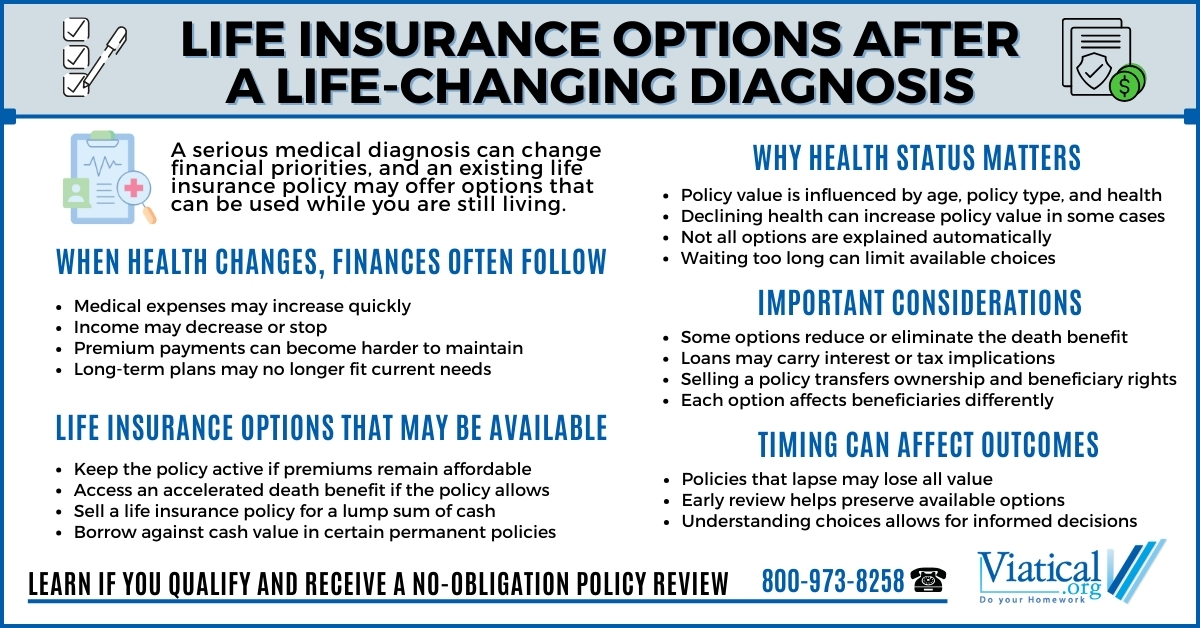
However, "can I purchase life insurance coverage if I have cancer" and "can I get life insurance coverage if I have cancer" are not the like "do I have zero choices." Throughout active treatment, you can still access: no medical examination, no health questions, approval ensured within qualified age ranges generally available during open enrollment despite health status created for individuals with severe health conditions, usually $5,000$25,000 in coverage does not cover death from illness, however might be available and adds some financial protection Furthermore, if you already have a life insurance coverage policy, your medical diagnosis might enable you to activate sped up survivor benefit, pursue a Living Benefit Loan, or check out a viatical settlement all covered in detail below.
Expert Underwriting for HIV Positive Today
Once you have actually completed treatment and reached remission, the window for standard life insurance reopens but the timing and cost depend greatly on your specific history. Insurance providers evaluate cancer survivors on numerous aspects: staging, grade, and histology matter considerably most insurance companies require 210 years of tidy post-treatment history younger diagnosis can signal higher recurrence risk to underwriters surgery alone vs.
With over 18 million cancer survivors in the United States, insurers have built have actually developed underwriting models that reflect the show that truth survivors live long, full livesComplete
Life Insurance Critical Illness RiderCoverage is typically 12x your yearly income at no or low cost to you. 15x annual income (varies by plan) Often employer-subsidized or complimentary Protection ends when you leave the task Employed cancer clients who need meaningful protection now Streamlined issue policies need addressing a few health concerns but no medical examination.
Those in remission for numerous years may receive simplified problem policies at rates between surefire problem and standard. Approximately $100,000$500,000 depending upon provider Moderate less than requirement, more than ensured issue Health concerns might disqualify active clients Cancer survivors 2+ years in remission looking for modest coverage quickly Last expense (or burial insurance) is a specialized little entire life policy created for people with major health conditions.
Obtaining Medical Safety for Global Travel Abroad
$5,000$50,000 Greater relative to coverage amount Covering funeral service expenses, remaining medical costs, little financial obligations Conventional life insurance requires a complete medical exam and comprehensive health history. For cancer survivors who fulfill the waiting duration requirements (typically 210 years depending upon cancer type), this is the most affordable course to significant coverage frequently $100,000 to $1,000,000 or more.
Here's a basic guide: Cancer Type Typical Waiting Duration Standard Policy Likelihood Basal cell skin cancer (early-stage) 01 year High Thyroid cancer (papillary, follicular) 13 years High Cervical cancer (phase I) 25 years Moderate-High Breast cancer (stage I-II) 35 years Moderate Prostate cancer (low-grade, Gleason 6) 25 years Moderate Colon cancer (phase I-II) 5 years Moderate Lymphoma (Hodgkin's, stage I-II) 5 years Moderate Melanoma (stage I-II) 510 years Moderate-Low Breast cancer (stage III-IV) 10+ years Low Lung cancer 10+ years (if any) Really Low Pancreatic cancer Usually not offered Extremely Low Metastatic/stage IV (any type) Normally not readily available Really Low Note: These are basic guidelines.
Life Insurance Critical Illness RiderProtection is typically 12x your annual income at no or low cost to you. 15x yearly salary (varies by plan) Frequently employer-subsidized or free Coverage ends when you leave the task Utilized cancer clients who require meaningful coverage now Simplified issue policies need responding to a few health questions however no medical examination.
Those in remission for several years may receive simplified problem policies at rates between surefire problem and standard. Approximately $100,000$500,000 depending upon provider Moderate less than requirement, more than guaranteed issue Health questions may disqualify active clients Cancer survivors 2+ years in remission looking for modest coverage quickly Final expense (or burial insurance) is a specialized little whole life policy developed for people with major health conditions.
$5,000$50,000 Higher relative to protection amount Covering funeral service expenses, staying medical expenses, small debts Conventional life insurance coverage requires a complete medical test and in-depth health history. For cancer survivors who meet the waiting duration requirements (normally 210 years depending on cancer type), this is the most economical course to significant protection frequently $100,000 to $1,000,000 or more.
Why Type 2 Patients Qualify for 2026 Impaired Risk Plans
Here's a general guide: Cancer Type Common Waiting Duration Conventional Policy Probability Basal cell skin cancer (early-stage) 01 year High Thyroid cancer (papillary, follicular) 13 years High Cervical cancer (stage I) 25 years Moderate-High Breast cancer (stage I-II) 35 years Moderate Prostate cancer (low-grade, Gleason 6) 25 years Moderate Colon cancer (stage I-II) 5 years Moderate Lymphoma (Hodgkin's, stage I-II) 5 years Moderate Cancer malignancy (phase I-II) 510 years Moderate-Low Breast cancer (phase III-IV) 10+ years Low Lung cancer 10+ years (if any) Really Low Pancreatic cancer Normally not offered Very Low Metastatic/stage IV (any type) Normally not offered Very Low Note: These are basic standards.

Latest Posts
Securing Financial Stability for Vulnerable Family

2026 Life Policies for Diabetic Case Profiles

Upcoming Trends in High Risk Insurance Approaches